Sunday, 18 October 2015

Food Foraging Fun

My foraging result - Blackberry and apple crumble
Way back in the summer when the days were long and the hedgerows were full of flowers I went on a food foraging workshop, organised by Solway Wetlands Partnership. The day was run by John Crouch a local chef who knows a LOT about traditional food, foraging for it and the history of it. He has a wealth of information and his enthusiasm for playing with hedgerow food is contagious.I don't know a lot about foraging and so I thought it would be a good idea to find out. There are too many poisonous plants out there to just start foraging and as John advised never eat anything you are unsure about. In fact I enjoyed it so much that I went back for another day in Autumn...

Toni doing some summer foraging
Honeysuckle flowers - great in salad
An afternoon workshop with John involves heading out along the local lanes and fields to see what you can find. He does bring along some of his own bought ingredients and then heads outside to see what he can supplement his dishes with. In the summer we concentrated on leaves and flowers that could be either cooked in dishes or made into salads.


Rose hip petals
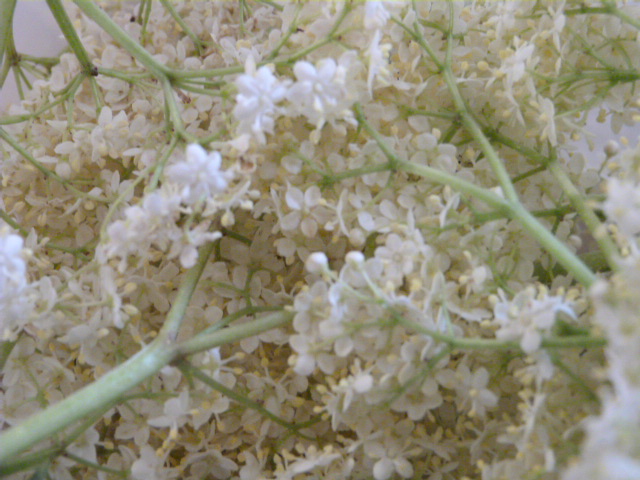
Elderflowers - great for cordial and fritters
In the autumn we basically headed out along the same lanes and fields and it is amazing to see the different food on offer through the transition of seasons. Basically the flowers had gone and the fruits had grown and the leaves were starting to turn.

The transformation from Elderflower to Elderberries!
Crab apples
Blackberries
In the autumn there was blackberries and crab apples in abundance and it has to be said that apple and blackberry crumble is one of my favourite dishes. We also had a look for damsons but this year has not been very good for them. Some people have suggested this may be to the late frosts that we had earlier in the spring.

Damsons are sparce this year
Bulaces are just like damsopn but rounder and more plum like
Yum yum - just like a plum!
We found the odd damson dotted around on the bushes but not enough for making jam or gin! We did however also find a few bulaces. These are a similar fruit and taste just like plums. I have never tried them before - so a new one for me, I thought they were delicious. Damsons are not really palatable raw and elderberries should never be eaten raw - they should always be cooked first.

On both the summer day and the autumn day out we took our gathered leaves and fruit back to the kitchen to then start cooking. To be fair John did all the cooking and we just sat and watched in awe!


Apples and Blackberries galore
Horseradish - gathered locally by John
John is very organised in his mobile kitchen. He gets 3 or 4 dishes all going at once and at the same time talks you through what he is doing. He also adds in plenty of anecdotes about each plant that he is using. John also knows a lot about Roman food and what they ate. He also knows about the origins of some of the plant names.

John cooking away in his mobile kitchen
Bacon and hawthorn filo roll
Elderflower fritter
In the summer some of the dishes John created were Saag Aloo using plantain leaves, nettle and lentil soup, bacon and hawthorn filo roll and elderflower fritters which were just amazing! He also created a salad using flowers such as honeysuckle and some more of the hawthorn leaves. I remember eating these as a child and we used to called the bread and butter!

Chicken with blackberries
Warm blackberry trifle
 At the autumn workshop John used his talent again to create some delicious food. He made a jus out of the elderberries, a chicken dish with blackberries and he mixed the crab apples with spice and cooked them for a very small amount of time before popping them in a pickling jar. The remaining blackberries were made into a warm trifle which was just amazing. 

John is such a great, cheerful and knowledgeable man. What I like about him is his willingness to share all the knowledge that he has. He is passionate about foraging for food and wants everyone to share this enjoyment. If you ever get a chance to go to one of his workshops it is well worth it. I was so inspired by John that after each workshop I went out, gathered some of my own leaves and fruit and got cooking. My crumble is at the top of this blog! And not wanting to finish on a serious note but I have to say it again...only forage for and eat what you know and know how to prepare it - if you have any doubt don't eat it...there are some poisonous plants out there. Do what I did and get yourself booked on a course - they are a great way to learn and meet new people!


Wednesday, 14 October 2015

Season of Mist and Mellow Fruitfulness.....Berries, Fruit, Nuts and Seeds

Autumn is here.....and I have been out and about taking photos of the berries, nuts, seeds and leaves and anything else that signifies autumn. Whilst I have not had much time to write about the autumn, I have managed to make 2 blackberry crumbles and an apple and blackberry crumble......yum yum. Enjoy the autumn before its over......

Hawthorn
A waterfall of hawthorn berries
Guelder Rose
Dog Rose
Holly
Rowan 
Blackberries, or blackites if you are Cumbrian!
Elderberry
Conkers, or the Horse Chestnut

Acorns of the Oak Tree!
The amazing Sycamore in transition from green to yellow!


Friday, 2 October 2015

Mist, Sun and Moon

This is not my usual subject for a blog post, but it has been such as stunning week of misty mornings and evenings with a big big moon at night and some amazing sunrises and sunsets. Unfortunately I have been a bit busy to capture it all, but I managed to take a couple of pics this week and it has prompted me to post some of my favourite photos of how the the weather and climate can totally transform the mountains and valleys.

High in the mountains above the cloud filled valleys....

Temperature inversion on Blencathra

Misty mornings across the farmers' fields.....


Stunning sunsets.....
Big orange sun in my local neighbourhood
Stunning sunset at St Bees

And waking up in the mountains to cloud filled valleys. What an amazing planet we live on....

Camping above Buttermere


Thursday, 1 October 2015

Alpine Marmots and Ibex in the French Alps

I had a quick trip to the French Alps in the surrounding areas of Chamonix and it was a great excuse to get out and see what wildlife I could find. On my first little walk it was pouring down so I was pleased when I happened to see a female Ibex with her young. It was quite misty and I think that helped me to get quite close to them before they spotted me. As these are not found in the UK I was really pleased to see them....

Alpine Ibex, Capra ibex

On my walk up the track I was able to compare some of the plants with those found on the mountains at home. There was alpine lady's mantle and tormentil in abundance. The other noticable factor was that they were much bigger plants with much bigger leaves than those we have in the UK. I also found some great chunky clubmosses and an abundance of juniper which was great to see.


Alpine Lady's Mantle, Alchemilla alpina
Harebell, Campanula rotundifolia
Clubmoss
Alpine vegetation including juniper
The other thing that caught my eye was the green lichen covered rock. The rock was plastered with it and as lichen is considered an indicator of good air quality, you could say with confidence that the air is pretty clean in the Chamonix area!! The landscape in general was stunning and as the rain stopped pouring and the cloud lifted a little I was rewarded with a great view back down the valley.


Other interesting things I found along my way was fungi and more lichen. The was an abundance of lichen coming to life in the damper air of September. I also found plenty of cladonia type lichens and one in particular which looked a lot like reindeer moss. I cannot say for sure that it was reindeer moss but looked very much like it with the hooked antler ends. There was also plenty of 'pixie cup' type lichens - and again these were much bigger than the ones I have seen in the UK.


Possible Reindeer Moss, Cladonia rangiferina


The other delights along the way were some alpine donkeys! It was a bit unexpected to see them and I am guessing they were not wild and I have since discovered you can actually do treks by donkey or they are used as baggage carriers!
 

And of course no trip to the Alps would be complete without seeing some marmots. Have a look at my previous post to see some more pics and a little video about these lovely furry creatures...
 
Alpine Marmot, Marmota marmota

Just to finish off this post I thought I would add a couple of stunning scenery pics. Although this was not a mountaineering trip - it vrought back many fond memories of being high in the mountains and on Mont Blanc which is all tied in with my love of naitre and just being outdoors. What an amazing world we live in.....

View from the Aguille de Midi Station

The Mer de Glace
Petit Dru
The blue ice of the Ice Cave under the Mer de Glace